Akasia: A Botanical Font for Creative Makers
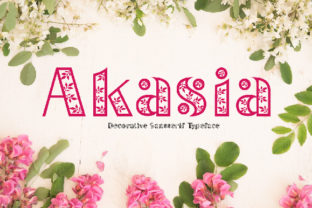
There’s something about the way Akasia flows that feels like a breath of fresh air. I was working on a set of candle labels when I first fell in love with it. The soft curves and organic shapes reminded me of leaves caught in a breeze, and I knew it would be perfect for adding a handmade touch to my shop.
As a crafter who loves mixing textures and styles, I’ve always looked for fonts that feel natural and expressive. Akasia fits that bill. It’s not too formal, not too playful—it has a quiet charm that works well with both rustic and modern designs. Whether I’m printing labels for soy candles or creating a custom wedding invitation, Akasia brings a sense of warmth and authenticity to every project.
Using Akasia for Handmade Labels and Packaging
One of the first places I used Akasia was on my candle labels. I wanted something that felt personal and inviting, and this font delivered. I paired it with a simple sans serif for the ingredients list, which helped balance the design without overwhelming the eye. The result was clean, professional, and still very much handmade.
I also used Akasia on small stickers for my product packaging. The font’s delicate strokes look great when cut with a Cricut or Silhouette, especially when using a light color on dark backgrounds. For seasonal items like holiday tags or birthday cards, Akasia adds a soft, elegant touch that stands out without being too flashy.
Designing Invitations and Stationery
When I was designing a set of wedding invitations, I knew I needed a font that could hold its own without being too busy. Akasia worked perfectly for the guest names and ceremony details. It gave the whole design a relaxed, nature-inspired vibe that matched the couple’s style. I paired it with a classic serif for the main text, which created a nice contrast and kept the layout from feeling too flat.
For printable wall art and planner pages, Akasia is a go-to. I’ve used it for quote prints and seasonal layouts, and it always looks great. The font’s subtle variations make each letter feel unique, which is perfect for creative projects that need a little personality. I’ve even used it for farmhouse signs and welcome boards, where its organic shape adds a cozy, handcrafted feel.
Creating Digital Printables and Shop Branding
Akasia is also a favorite for digital downloads. I’ve used it in printable calendars, journal templates, and social media graphics. Its legibility at smaller sizes makes it ideal for headers and titles, while its decorative elements add visual interest without being distracting. When I create printables, I always check the font’s alternates and ligatures to ensure everything looks cohesive and polished.
For shop branding, Akasia helps establish a consistent aesthetic across all materials. I use it on my website headers, email newsletters, and social media posts. It gives my brand a unified look that feels approachable and artistic. I’ve also used it for product tags and boutique signage, where its natural feel complements handmade items beautifully.
Pairing Akasia with Other Fonts
When working with Akasia, I often pair it with a clean sans serif or a simple serif for balance. This combination works well for logos, banners, and editorial designs. If I’m going for a more whimsical look, I might pair it with a script or handwritten font, but I always keep the overall design simple so the font doesn’t get lost.
For display purposes, Akasia shines as a headline or title font. It’s not ideal for long paragraphs, but it excels at short phrases, names, and decorative wording. Whether I’m designing a tote bag or a mug, Akasia adds a touch of creativity that elevates the final product.
Considerations for Cutting Machines and Printables
If you’re using Akasia with a cutting machine, make sure to test the font at different sizes before finalizing your design. Some of the finer details may not cut well at very small sizes, so adjusting the weight or simplifying the design can help. For printed cards and labels, I recommend using a high-quality printer to ensure the font’s curves and swashes come through clearly.
When creating printables or digital downloads, always check the font’s licensing terms. Akasia includes multiple weights and styles, which is great for versatility. I also look for multilingual support if I plan to sell internationally, and I make sure the file formats are compatible with my design software and cutting tools.
Bringing Akasia to Life in Real Projects
Every time I use Akasia, I feel like I’m adding a little piece of nature to my work. It’s not just a font—it’s a tool that helps me express my creative vision. From candle labels to wedding stationery, Akasia has become an essential part of my design process. It’s a reminder that even the smallest details can make a big difference in how a product is perceived and experienced.
Whether you’re a small shop owner, a printable creator, or a hobbyist, Akasia offers a unique way to elevate your designs. Its botanical inspiration and natural flow make it a standout choice for anyone looking to add a handmade touch to their work.
As I continue to explore new ways to use Akasia, I’m always amazed by how it transforms simple text into something visually engaging and emotionally resonant. It’s a font that feels alive, and that’s what makes it so special for makers and creators.